Spring into Summer: Scoring the Long Game with Pilates
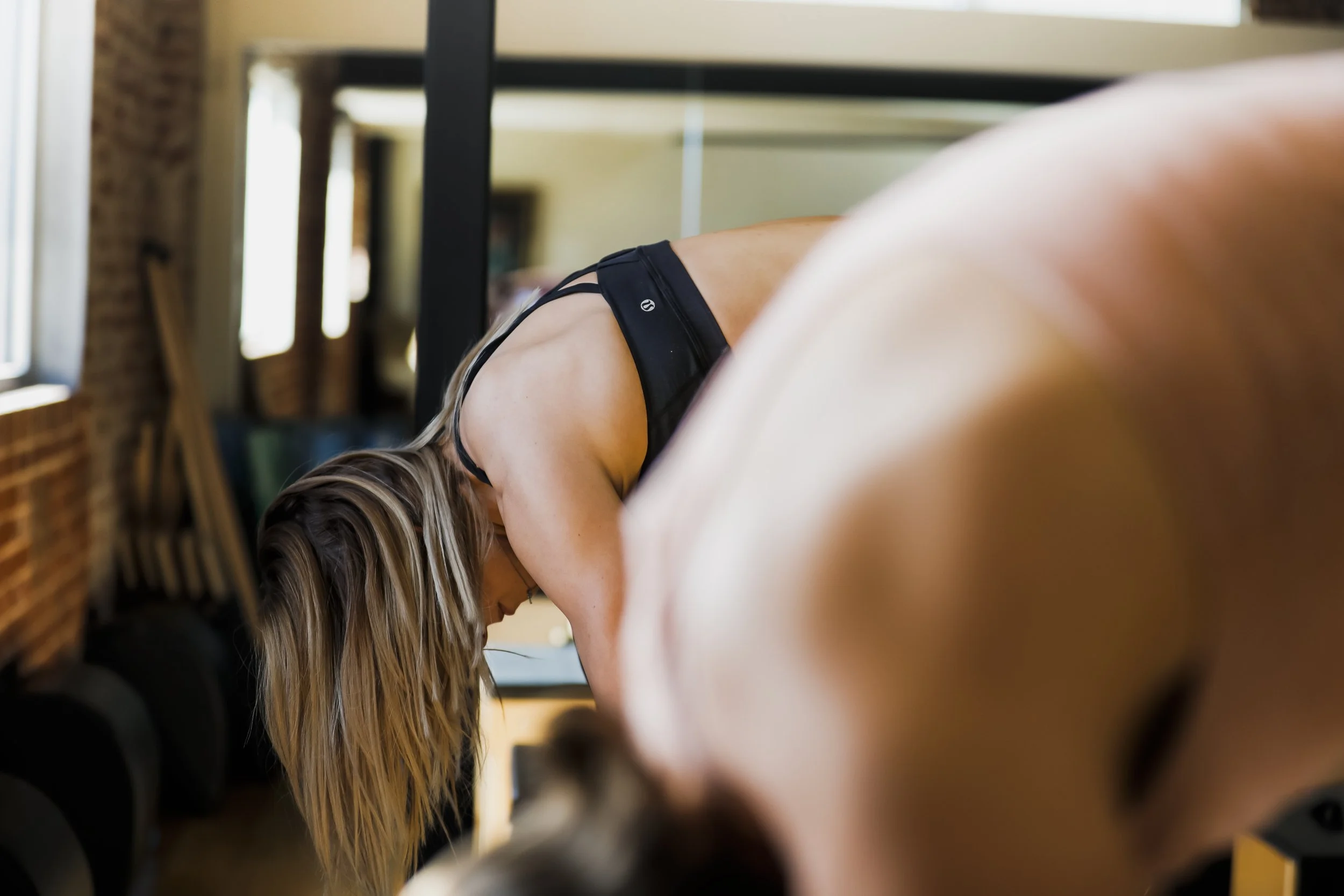
Pilates is a beautiful and effective movement practice—but it’s one that requires patience and dedication.
You’ll likely feel good after your very first session, but the real transformation comes from showing up consistently over time.
And that brings me to something important: consistency.
Consistency isn’t about pushing yourself week after week when you’re sick, exhausted, or functioning at 30%. That’s not sustainable—and it’s not supportive of your body. True consistency is built over months and years. It’s doing what you can, when you can.
It’s showing up 70–80% of the time—and giving yourself grace when you need it. It’s resting. It’s allowing your body to recover. It’s creating space when your body asks for it. Because we are not machines—and our bodies aren’t meant to be treated like they are.
A sustainable approach to movement requires time, effort, and flexibility. Slow progress is often the most sustainable progress. The routines that bring you joy—and adapt to your life—are the ones you’re most likely to stick with.
Pilates, in many ways, is a long game. It can take up to 90 days of consistent effort to truly begin feeling the deeper changes in your body. And it shouldn’t feel like a grind. It should feel like showing up for yourself. It should feel like practicing movement with an instructor who genuinely cares about your well-being. It should leave you feeling stronger, more aligned, and more centered after each session.
And it’s worth saying—sweat, soreness, and intensity are not the only indicators of a great workout. Some of the most effective work happens through controlled, intentional movement.
A quick note on what you might be seeing online…
In today’s world—especially on platforms like Instagram—Pilates is often portrayed as fast-paced, advanced, and focused on aesthetics: sculpting, toning, or achieving a certain look. But Pilates, as a method, was developed by Joseph Pilates as a system of movement designed to support the body as a whole.
It’s not about chasing trends or jumping into advanced exercises before your body is ready. And it’s not about becoming “skinny.” Modern Pilates has evolved alongside our understanding of anatomy, physiology, and movement science. At its core, it’s about building strength from the inside out, improving alignment, increasing mobility, and creating balance in the body for long-term health.
The most effective practice isn’t the trendiest—it’s the one that meets you where you are and supports you in a sustainable way.
No matter what your goals are—strength, mobility, injury prevention, or simply feeling better in your body—there is always value in setting aside structured time to support your body’s systems and alignment.
That doesn’t require maxing out. It requires something quieter: patience, presence, and dedication.
You can’t “win” recovery—you relax into it. You allow your body to adapt, rebuild, and grow stronger over time. There is a quiet strength in showing up for something that may feel subtle, but that you know is building something meaningful.
If you begin your Pilates journey today, you could be 10 sessions in by June.
You could head into summer feeling more confident, more mobile, and more connected to your body—with an instructor in your corner, supporting you as life gets busy.
And if you keep going?
A year from now, you could be living in a body supported by consistent, compounding habits—doing things you may have been missing: long hikes, more intentional strength training, better recovery, and movement that genuinely brings you joy.
Tracking Your Progress: What to Look For
Progress in Pilates isn’t always loud or immediate—but it is there. Here are a few meaningful ways to track it:
1) Keep a workout journal
Note how you feel before and after each session
Choose one focus area (pain management, mobility, posture, flexibility, etc.)
Track subtle improvements over time
2) Show up regularly
Life happens—you’ll get sick, travel, or need breaks
What matters most is the habit you build over months and years
Aim for consistency, not perfection
3) Pay attention outside the studio
Notice how your body feels in daily life
If you strength train, observe changes in range of motion, stability, and control over time
Look for ease in movements that once felt challenging
4) Monitor injury prevention & recovery
If you’ve dealt with recurring injuries, notice any changes
Are things becoming more manageable? Less frequent? Less intense?
Progress can look like resilience, not just performance
Start now. Stay consistent. Trust the process.
Your summer self—and your future self—will thank you.
Xx Mal